
AI Didn’t Miss the Sale. Behavior Did.
I almost deleted the email.
It was from a thought leadership company reaching out to me—something I get often and rarely open. But this one was different.
It spelled my name right.
It understood what we do at The Mann Group.
It even referenced my podcast.
It was… good.
And when a salesperson checks those boxes, I give them a shot. If you can earn a meeting from an email, I want to reward the effort.
So I took the call.
And that’s where it fell apart.
The Disconnect
The email showed insight.
The conversation did not.
There was no depth.
No real understanding of my world.
No ability to connect what they offered to what I actually need.
So I did something I don’t normally do.
I reached out to the owner and gave feedback.
Because this wasn’t just a missed sale—it was a missed opportunity to understand something bigger.
We Don’t Have a Sales Problem. We Have a Behavior Problem.
In To Sell Is Human, Daniel Pink argues that we are all in sales.
I agree.
But here’s what I see every day:
We’ve confused information with ability.
This salesperson had the information.
The research.
The tools.
Likely even the training.
But they did not have the behavior required to:
-
Stay curious
-
Ask meaningful questions
-
Listen for what matters
-
Connect the dots in real time
AI helped them get in the door.
But it couldn’t help them show up once they were in the room.
AI Is Not the Problem. It’s the Mirror.
AI is exposing something most organizations don’t want to admit:
You can automate outreach.
You cannot automate connection.
You can prompt a tool to sound insightful.
You cannot prompt a human to be insightful.
That requires something harder.
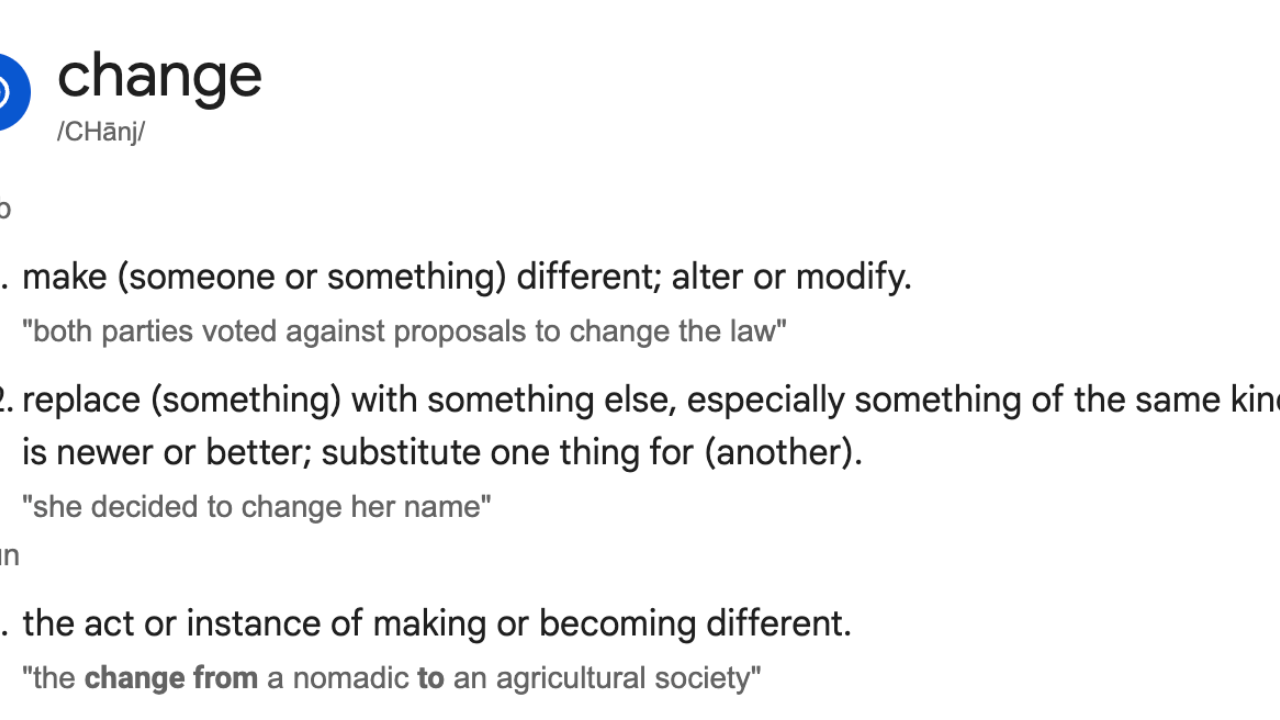
Change.
Why Change Doesn’t Stick
Here’s the truth we all know—but rarely confront: People don’t change because you told them once.
Think about your own life.
When was the last time you made a change cold turkey… and never looked back?
If you have a long list of answers, please bottle that up and sell it to the rest of us.
For the rest of us change is messy.
It’s disruptive.
It’s inconsistent.
It requires more effort than we think it should.
And most organizations stop at awareness:
-
A training
-
A book
-
A conversation
Then they wonder why nothing is different.
The Real Work: Behavior Change
If we want better sales conversations better leadership, better cultures we have to focus on what actually moves the needle:
Behavior.
Not what people know.
Not what they intend.
Not what they say they’ll do.
What they actually do, consistently, under pressure.
Action: How to Close the Behavior Gap
If you’re a leader, here’s where to start:
1. Define the Behavior (Not the Outcome)
Don’t say: “Have better sales conversations.” Say:
-
Ask 3 discovery questions before presenting
-
Reflect back what you heard before offering a solution
-
Tie every recommendation to a stated need
Make it observable. Make it measurable.
2. Practice in Real Time
Role play is not optional whether your team is cold calling or on the sales floor. If your team only practices in live sales conversations, they are practicing on your revenue.
Create space to:
-
Rehearse discovery conversations
-
Practice handling objections
-
Get immediate feedback
3. Build a Feedback Loop
One conversation won’t change behavior. Create a rhythm:
-
Weekly call reviews
-
Peer feedback
-
Manager coaching tied to specific behaviors
And be specific:
“You moved to solution too quickly.”
“You missed the opportunity to go deeper there.”
4. Apply Gentle Pressure—Relentlessly
Behavior change requires consistency. Not intensity. Not a one-time push. Consistency.
Follow up.
Reinforce.
Circle back.
Hold the standard.
Again and again.
5. Measure What Actually Matters
If you only measure outcomes (revenue, deals closed), you miss the lever. Start measuring:
-
Discovery depth
-
Question quality
-
Conversion from first call to second
Track the behaviors that drive the results.
The Bottom Line
AI might get you the meeting. But it won’t earn you the business. That still comes down to something much more human and much more difficult: The willingness to change behavior. And the discipline to stay with that change long after the training is over.
SUBSCRIBE FOR MONTHLY TIPS AND TRICKS!
Great Mann Group content, right to your inbox.
We hate SPAM. We will never sell your information, for any reason.
