
8 Reasons Your Business Should Never Improve
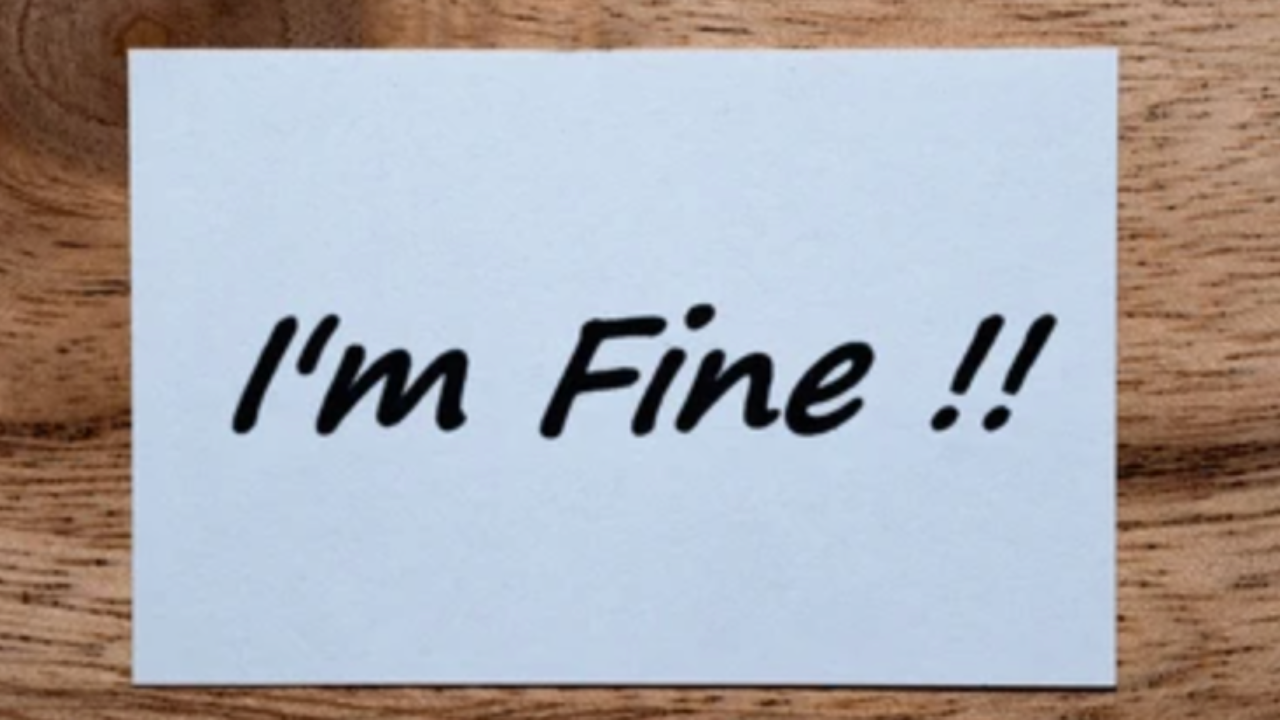
A Definitive Guide to Staying Exactly Where You Are
Let's be honest with each other for a moment.
You've been running your business for years. Maybe decades. You've survived recessions, supply chain disasters, a global pandemic, the rise of e-commerce, and that one vendor rep who showed up uninvited every single Tuesday. You're still standing. Customers still walk through the door — occasionally — and the lights are still on.
So why on earth would you want to improve anything?
This is the question serious small business owners are finally starting to ask. And after careful observation of the marketplace, I'm prepared to offer the definitive case against business improvement. Bookmark this. Frame it. Hand it out at your next staff meeting.
1. Improvement Implies Something Is Wrong
And nothing is wrong. Sure, your close rate hasn't moved in four years. Sure, your top salesperson just quit to "find themselves." Sure, your inventory turns are a number you'd rather not discuss in polite company. But none of that means anything is wrong — it just means things are the way they are. Improvement, by definition, is an admission that the current state is lacking. And who needs that kind of negativity?
2. Your Competitors Aren't Improving, Either
Probably. You haven't checked lately, but you have a pretty good feeling they're just coasting like everyone else. Besides, if they were improving — getting sharper on product knowledge, tightening their service experience, building real customer relationships — you'd definitely have noticed by now. Right?
3. Training Is Expensive and Mostly Doesn't Work
This one is practically a fact. You trained Terry two years ago. Terry no longer works here. The return on investment in human development is notoriously difficult to measure, which means it's probably zero. The wisest financial strategy is to invest only in things whose ROI you already know, which neatly eliminates anything new, experimental, or growth-oriented. This is called fiscal discipline.
4. Your Customers Seem Fine
A few of them complained last quarter, but customers complain about everything. The ones who matter — the ones who've been coming in for years and never say much — are clearly satisfied. Their silence is a standing ovation. If they were unhappy, they'd say something. That's just how people work.
5. Change Creates Confusion
Your team has finally figured out how things work around here. New processes mean new questions. New expectations mean conversations you'd rather not have. New goals mean accountability, and accountability means tracking things, and tracking things means discovering information that was much more comfortable not to know. It's a whole cascading nightmare. The status quo is, at its core, kind to everyone.
6. The Market Will Eventually Come Back Around to You
Markets are cyclical. What's out of favor today — personalized service, deep product expertise, a sales team that actually follows up — will eventually be fashionable again. You just have to wait it out. In the meantime, there's no reason to overreact.
7. You've Already Learned Most of What There Is to Learn
You've been in this industry long enough. You've seen trends come and go. You know your customers. You know your product. At a certain point, additional learning is just... cluttering things up. Wisdom is knowing when you know enough. And you know enough.
8. Urgency Is Overrated
There will always be time to make the improvements you've been putting off. Next quarter looks good for it. Or Q3. Q3 is usually quieter. The point is, the opportunity to improve doesn't expire — it's always right there, patient and waiting, ready to be addressed whenever the timing is finally right.
In Closing
If you've made it this far and feel oddly unsettled — good. That feeling has a name. It's called the gap between where you are and where you could be, and it doesn't go away on its own. It grows.
The businesses that thrive aren't the ones with the best product mix or the best location. They're the ones where someone decided that fine wasn't good enough — and then did something about it. Systematically. Persistently. With gentle pressure, relentlessly applied.
But hey. That's your call.
Things are fine just the way they are.
SUBSCRIBE FOR MONTHLY TIPS AND TRICKS!
Great Mann Group content, right to your inbox.
We hate SPAM. We will never sell your information, for any reason.
