
The Customer You Turned Away
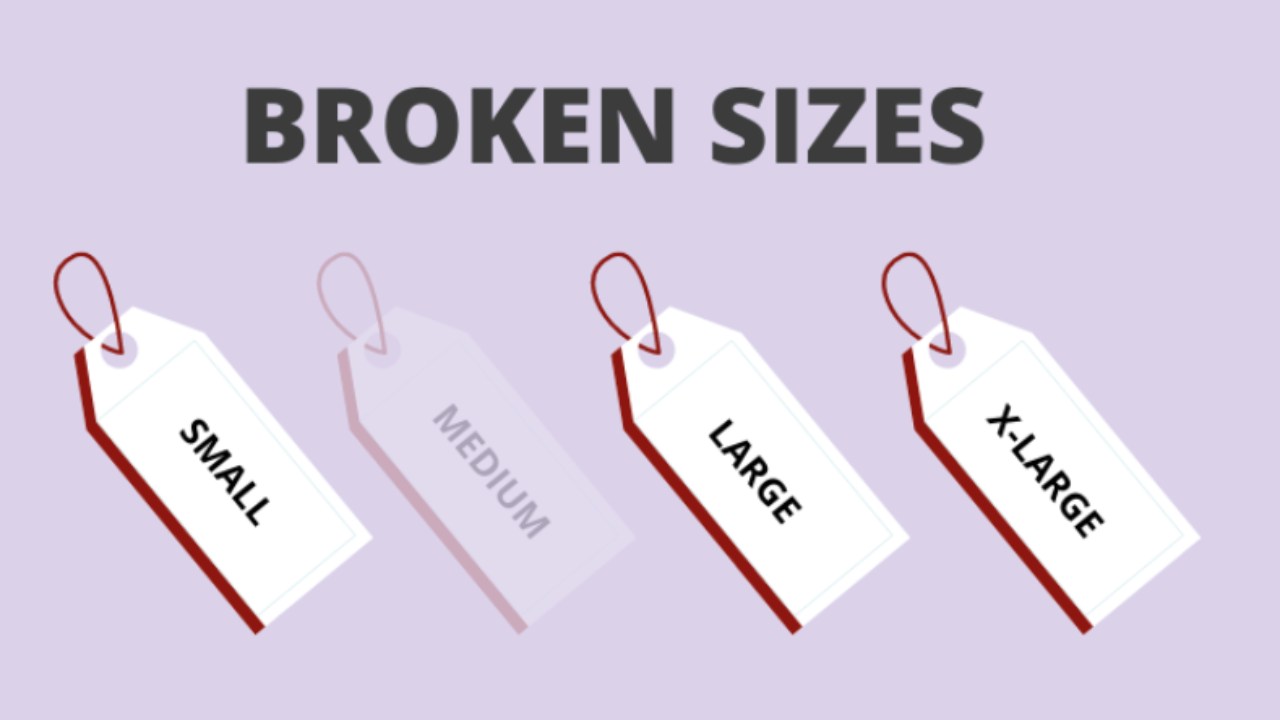
You know the walk. A customer asks for a model in her size, and someone on your team says, "Let me check in the back." They look through the shelves, check the overflow, and come back empty-handed.
"I'm sorry, we don't have it in your size."
She says that's okay. She smiles and heads for the door. And that's the end of it.
Your POS records every sale you make. It has no record of this one. No report will ever tell you it happened.
A view from the back room
A young man once spent a year working the back room of a multi-store shoe retailer. His job was simple: receive shipments, manage stock, and get product out to the floor.
What he saw bothered him. Shipments showed up that weren't meant for his store. At the same time, the models that were selling best ran low in the right colors and sizes. The team turned people away all the time, which was never supposed to happen. Much of the tracking was still done on paper.
The store didn't have too little product. It had the wrong product. The back room was full, and customers still left without shoes.
What a turned-away customer really costs
The lost sale is only the start.
- The add-ons. The socks, insoles and accessories that go with the shoe leave with her.
- The work you already did. In a fit-focused store, your team may have spent half an hour on the scan, the questions and the try-ons. All of that went to a sale someone else will make.
- The parking lot order. Many customers will order the exact model you just recommended on their phone before they start the car.
- The relationship. She came to you because she trusted you to have what she needs. A couple of empty trips teach her to go somewhere else first.
Your fastest movers are usually the reason people come through the door. When those run out, you lose more than one shoe.
Why it keeps happening
Size runs break quietly. Your most common sizes sell first. The wall still looks full because the smallest and largest sizes are sitting there. On paper you have plenty of the model. On the floor you can't fit most of the people who ask for it.
Fill-ins wait for the calendar. Many stores reorder on a set rhythm, or when the rep visits. Best sellers don't wait. A model can go from healthy to broken in a single good weekend.
The save is too much work. A special order or ship-to-home can turn a no into a yes. But if your team has to check a brand portal, enter the order twice and remember to follow up, it often doesn't happen during a busy shift.
Turning the no into a yes
The best stores don't just stock better. They also recover better when something is missing.
- Know before you say no. Check whether the brand has the size in its warehouse and how fast it can arrive. "I can have it here Thursday" keeps the customer. "We don't have it" doesn't.
- Promise a date, then keep it. Tell the customer when it will arrive and how you'll let them know.
- Close the loop. When the order comes in, tell them right away. A quick message that it's ready brings them back, often for more than the shoe.
- Fix the cause, not just the moment. Every special order on a core size is a sign that a fill-in was late. Track them, and you'll see which models need deeper or faster reorders.
Try this for one week
Ask your team to write down every time a customer hears "we don't have it." A notepad by the register is enough. For each one, note:
- The model, size and color
- What happened: special order, ship to home, or the customer left
At the end of the week, count them. Then look at which models and sizes show up more than once. Those are your broken size runs, and they're costing you more than you think.
Reply to this email and tell us your count, or book a conversation with our team. We'll help you figure out where the gaps are coming from.
SUBSCRIBE FOR MONTHLY TIPS AND TRICKS!
Great Mann Group content, right to your inbox.
We hate SPAM. We will never sell your information, for any reason.
